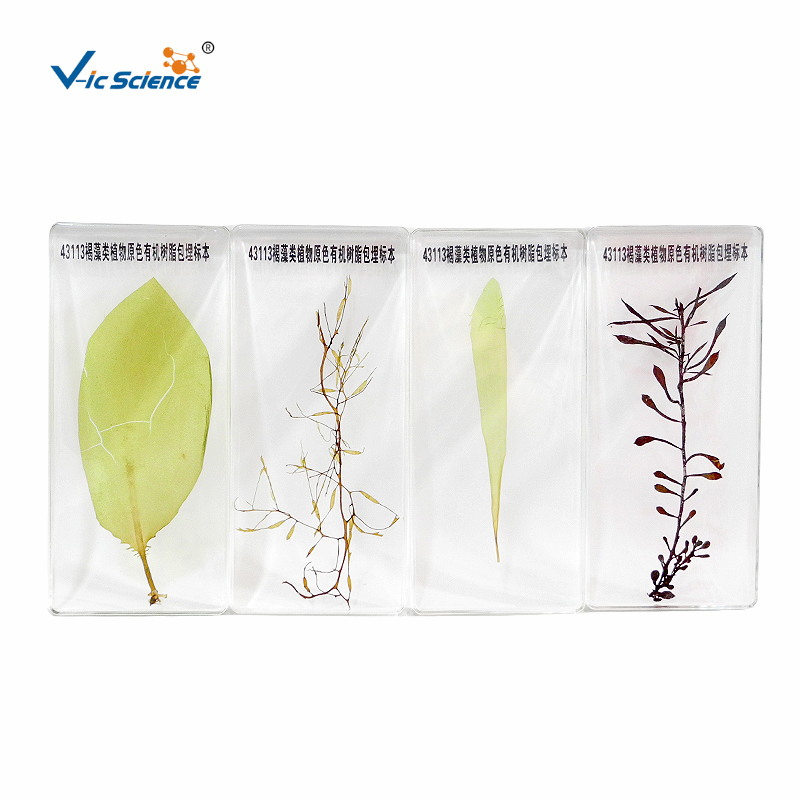
Embedded specimen is a new specimen product that uses safe, non-toxic (reaching the level of food safety) and highly transparent organic polymer resin materials to embed specimens such as animal and plant organisms into new specimen products. It is mainly composed of polymer resin materials and specially treated specimens.
The product is safe, non-toxic, transparent, and can display the characteristics of the specimen 360 degrees without dead angles. The products are produced in strict accordance with the industrial standards or enterprise standards of teaching instruments and equipment products, and are used for school related teaching demonstrations.
In order to give full play to the value of embedded specimens, the later preservation and maintenance is also very important, so how to preserve them correctly?
In order to prevent fading, once the embedded sample contacts with other colored objects, it is easy to produce staining, and large areas of fading will occur after long-term exposure to the sun, so maintenance measures must be taken. To keep the embedded specimen dust-proof, cover the embedded specimen with a film bag, gently brush the dust with a feather duster, and then keep it sealed.
Paraffin embedded tissue blocks will become dry and brittle after being placed or stored for several years, and the cut tissue sections are easy to fragment when slicing; This fragmentation can be avoided or reduced by placing the tissue block in a wet box for wetting overnight or cutting it after a few days.
Low temperature can prolong the storage life of paraffin embedded tissue, and paraffin embedded tissue samples can generally be stored at 10 ℃ -30 ℃ for 3 years.