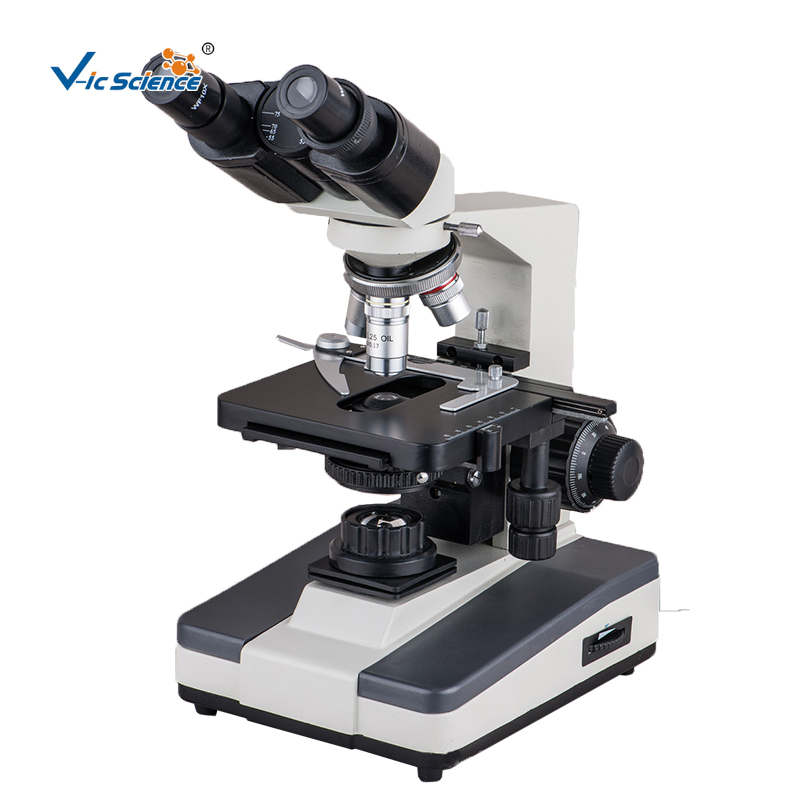
Microscope is the most commonly used analysis equipment in our laboratory. In order to obtain high-quality microscopic images, the cleaning of microscope optical elements is very important. Some precision components of the microscope, such as color filters, internal optical elements and cameras, should be cleaned by professional engineers of the manufacturer. Users are not allowed to disassemble them without authorization. Other components that are easy to get dirty can be cleaned by the user. These components include: objective lens, eyepiece, binocular tube, and all other freely accessible glass surfaces.
1. At ordinary times, clean the surface of each optical part of the microscope with a clean brush or wipe it with lens wiping paper. When there are indelible dirt, oil stains or finger prints on the lens, the lens is moldy, foggy and reused after long-term shutdown, it needs to be wiped before use.
2 the lens should be kept clean and can only be wiped with soft lens wiping paper without short nap. The mirror cleaning paper should be placed in the carton to prevent dust. Do not wipe the lens with handkerchief or gauze. The painted part of the surface can be wiped with cloth. But do not use alcohol, ether and other organic solvents to wipe, so as to avoid paint peeling. If the unpainted part has rust, it can be wiped off with a cloth dipped in gasoline. Apply protective grease again after wiping.
3. The objective lens can be cleaned with solvent when necessary, but attention should be paid to prevent the dissolving of the cement used to fix the lens. According to different cementing agents, different solvents can be selected, such as alcohol, acetone and xylene, among which xylene is the safest. The method is to dip a small amount of xylene with degreased cotton ball, gently wipe it, immediately wipe the xylene with mirror paper, and then blow away the possible residual lint with ear washing ball.
4 whether the eyepiece is clean can be inspected under the microscope. Rotate the eyepiece. If you can see the stain rotating in the field of vision, it means that the eyepiece has been stained with dirt. You can wipe the contact lens with lens wiping paper. If it cannot be removed, wipe the lens below again, and then blow away the lint with an ear washing ball.
Cover the microscope with dust cover after use. Mastering the correct cleaning method can effectively maintain the microscope, so that we can obtain the best image quality.