It is important to clean and sterilize the glassware before the microbial experiment, because the experimental results can be seen more clearly after cleaning. So how to clean and sterilize glassware including slide and cover glass?
1. Treatment of newly purchased glassware
The newly purchased glassware is generally attached with free alkaline substances and cannot be used directly. It should be soaked in 2% hydrochloric acid solution for several hours. After neutralizing the alkalinity of the surface, wash the inside and outside of the glassware with soapy water or washing powder, and then rinse it repeatedly with clean water to remove the residual acid. Finally, rinse it with distilled water.
2. Treatment of reused glassware
Common glassware, such as plates, test tubes, beakers and flasks, shall be autoclaved (121 ℃ for 30min), the waste in the container shall be poured out while hot, washed with warm water, boiled with 5% soapy water for 5min, washed while hot, and finally washed with distilled water.
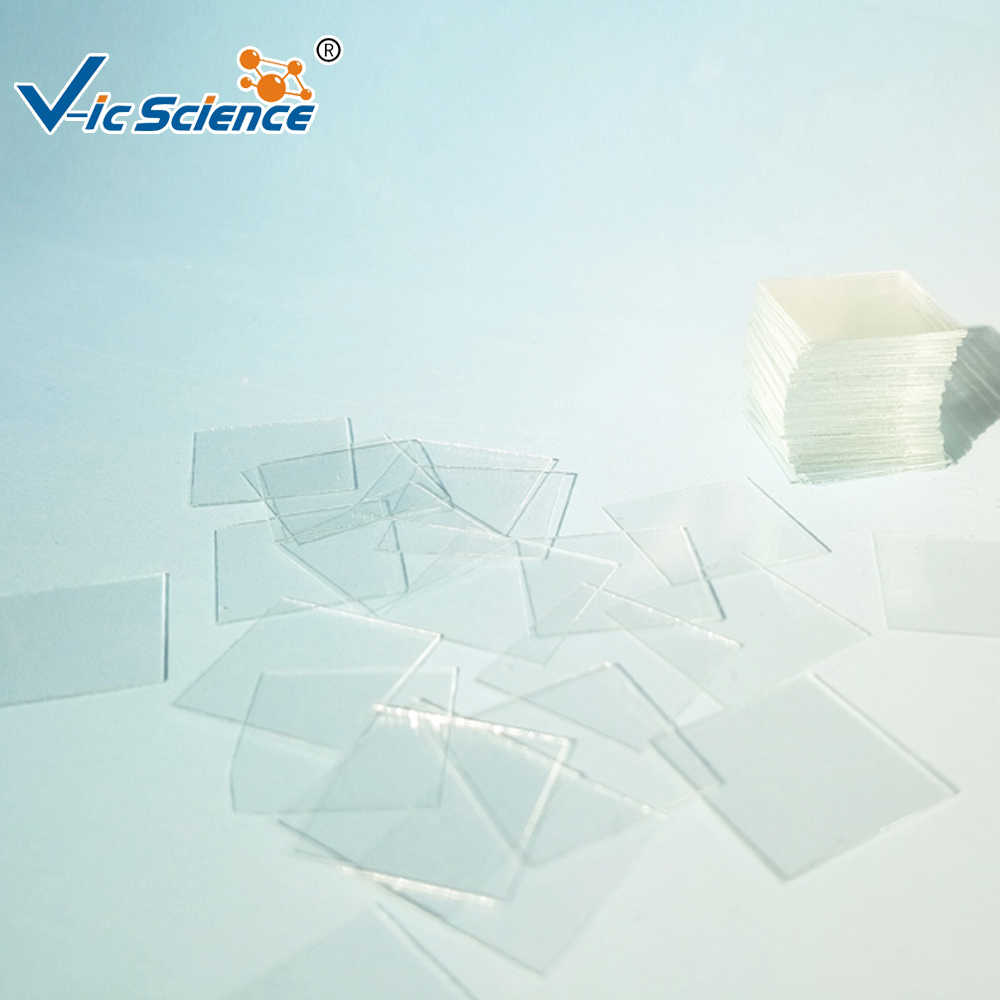
3. Slide and cover glass
The newly purchased glass slides and cover slides shall be cleaned with the newly purchased glassware treatment method; The used slide can be soaked in 2% Lysol or 5% carbolic acid solution, washed with water after taking it out, boiled in 5% soapy water for 20min, then brushed with a brush dipped in soap, and finally washed repeatedly with clean water. Soak the slide in 95% alcohol for 1min, take it out and dry it with a soft cloth, then soak it in a beaker filled with distilled water for 5min to remove the solvent, and dry it for standby
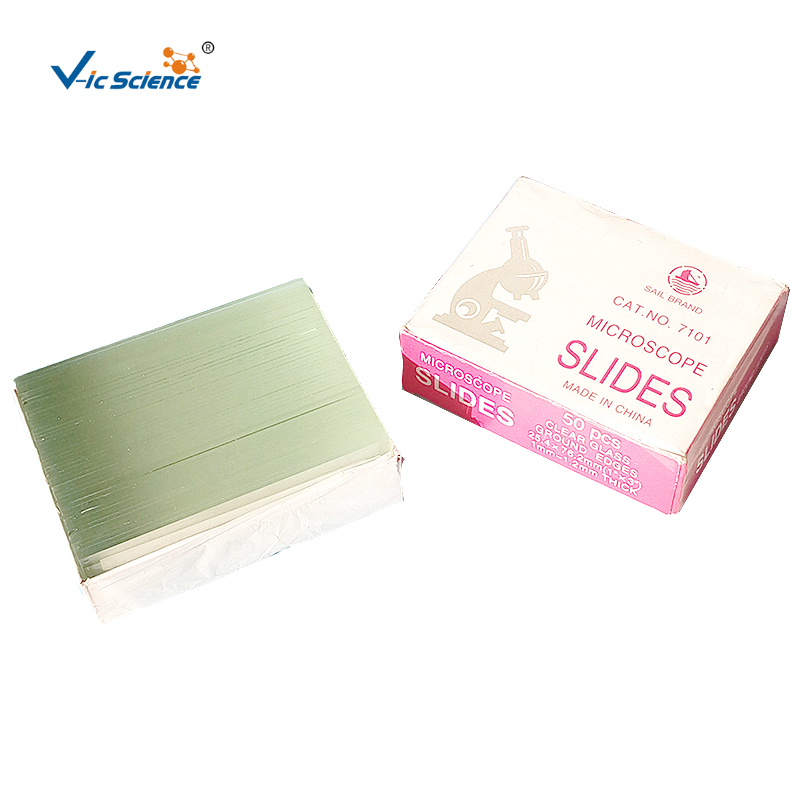
4. Type and use of detergent
The commonly used cleaners for glassware are washing powder, decontamination powder, soap, lotion, organic solvent, etc. Glassware that can be directly brushed with a brush can be directly brushed with the aqueous solution of soap, washing powder and decontamination powder. For distillation bottles, volumetric flasks, pipettes, burets and other instruments that are not easy to brush with a brush, wash them with lotion. The lotion can also be used to wash stubborn stains that cannot be brushed by the brush and utensils that have not been used for a long time. When washing stubborn stains, there should be enough soaking time. Make the lotion fully react with the dirt on the surface of the instrument; Organic solvents can be used to remove grease on the surface of utensils, such as toluene, xylene, gasoline, etc; Some can also use the characteristics of mixing with water and volatile to remove the water on the instrument, such as alcohol, ether, etc.
5. Washing methods and requirements of glassware
(1) Manual cleaning: wear clean gloves or wash hands, and wash utensils with clean water; Wash or soak with appropriate detergent; First rinse with tap water, then rinse with distilled water along the wall and shake fully until no water drops can be hung on the glassware, and check it as neutral with an indicator.
(2) Ultrasonic cleaning: add cleaning agent and use the chemical action of cleaning agent and the physical action of ultrasonic to achieve the purpose of component cleaning of glassware. The purification effect of ultrasonic is better at 30 ℃ ~ 40 ℃. In practical work, the working temperature of 40 ℃ ~ 60 ℃ is generally used. After washing with cleaning agent, wash with clean water until the cleaning requirements of glassware are met.
6. Problems needing attention in washing glassware
Glassware containing grease (paraffin oil and Vaseline) shall be cleaned separately. Before washing, the oil shall be removed as much as possible. After separate high-pressure sterilization, the dirt shall be poured out while hot, and then the glassware shall be inverted in a wire basket covered with coarse absorbent paper and placed in a 100 ℃ oven for 0.5h. After taking it out, it shall be boiled twice in 5% sodium bicarbonate water, and then cleaned with soapy water, Finally, rinse with distilled water.
Glassware and instruments used for fluorescence analysis should not be washed with washing powder, because the fluorescent brightener in washing powder will affect the experimental results.